Age Range: Ages18 Months (as of Sept. 1) to 3 Years
Time: 8:45 AM – 11:45 AM for morning, 8:45 AM – 3:00 PM for full day
Class Days: Choice of 5 full days, 3 full days, 2 full days, 5, 3 & 2 half days
Full-day option
Toddlers can attend as early as 7:30 AM and stay as late as 6:00 PM daily.
Where: Lancaster City & Manheim Township
Offered on both campuses, our Montessori Toddler Program offers young children, a safe and nurturing environment that encourages exploration, independence, and self confidence. Children in this plane of development are beginning to understand that they are part of a larger world, and what it means to be a part of a classroom community. They experience rapid growth in language acquisition and social skills. Their personalities are emerging for all to see and they are beginning to both assert themselves and learn how to cooperate with their peers.
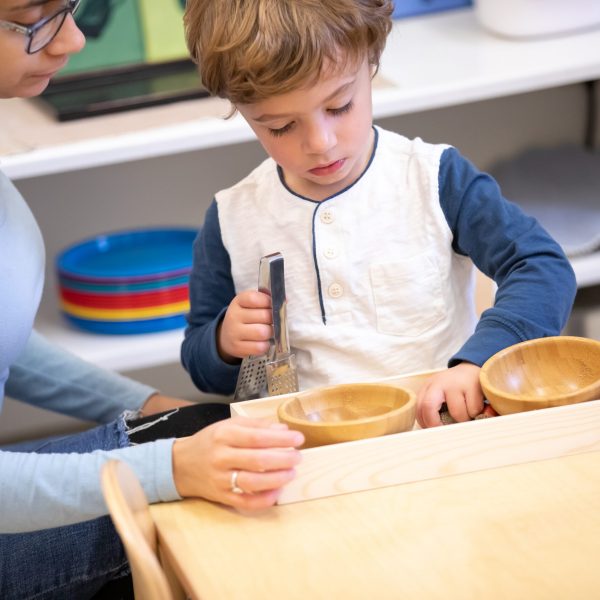
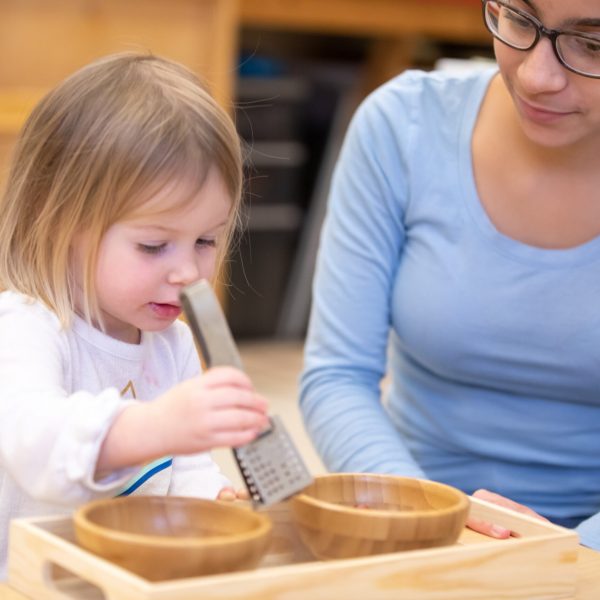
The toddler materials are found on the child size shelves from which children may choose a rich variety of activities designed to foster their growth. The environment allows for and supports independence. This frees children to explore as they wish while giving them opportunities to interact with others and learn acceptable social skills.
Language is woven into all parts of the program. Toddlers are very excited by language. Isolated photographs of common objects, and real objects, are used for learning names. Words are attached to experiences: “Would you like a sweet taste, or a sour taste?” Stories, songs, conversation, simple explanations, and questions add to their understanding.
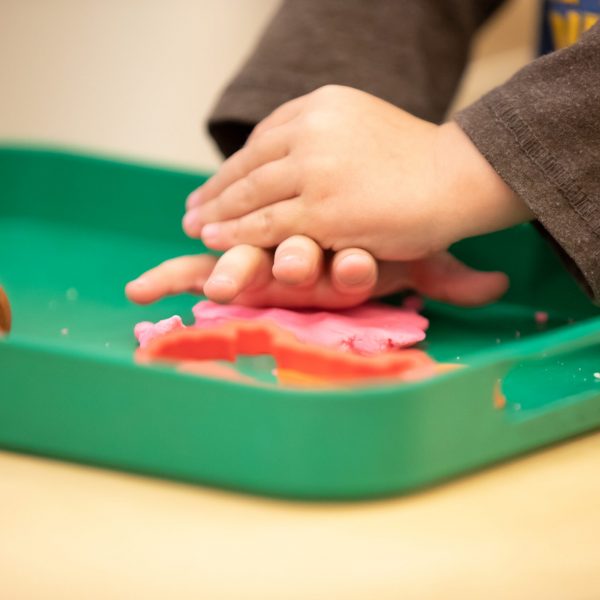
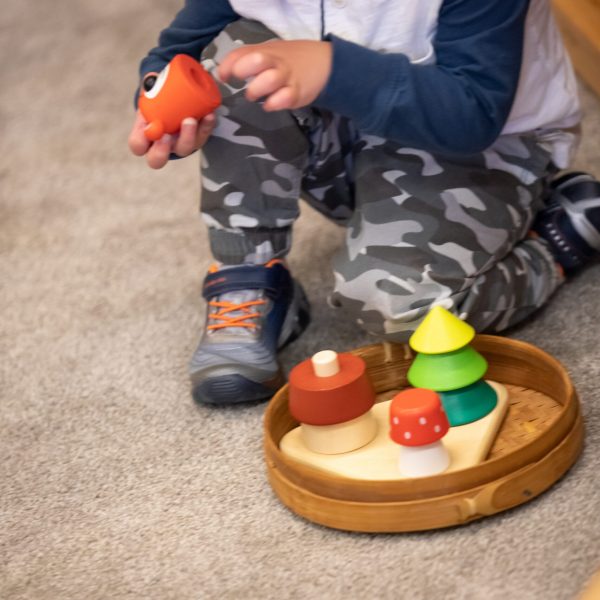
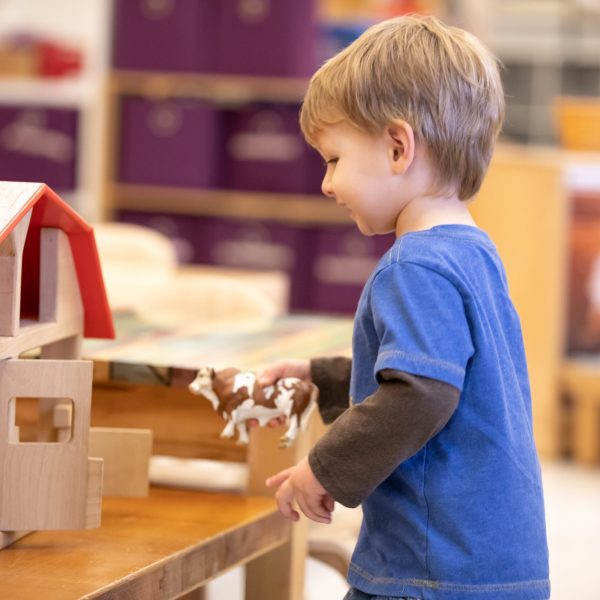
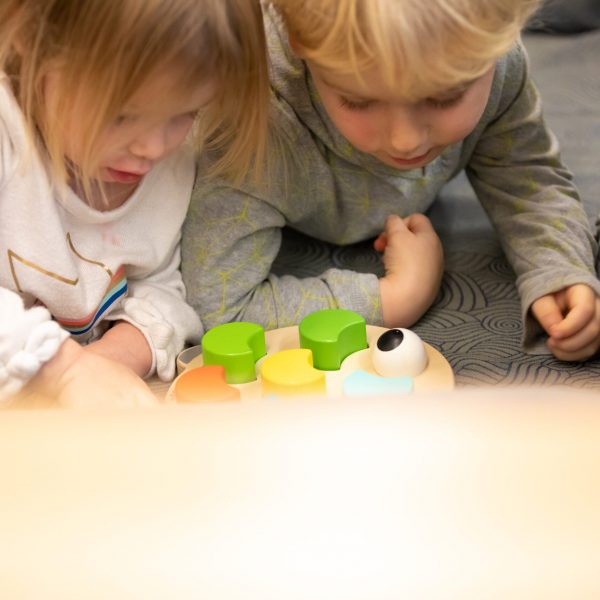
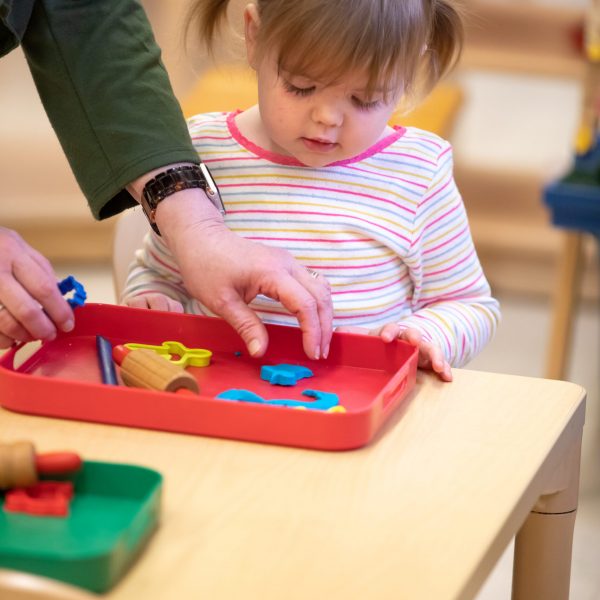
We engage the hands and minds of our youngest students as they sort items… group items… listen to stories… pour liquids… use scoops… practice climbing… learn to take turns… gain confidence… enjoy friends… taste and smell new treats and enjoy the experience of being at school.
See the Classroom Experience