
Foundations for a Resilient Life
The first years of your child’s life are the most formative. Montessori education evolves with the whole child.
Our Montessori classrooms treat childhood as preparation for purposeful work and responsible citizenship in the 21st century. Children practice choosing work and restoring materials to order. Lessons follow a sequence within a three-year classroom cycle. Younger children observe older classmates at work, then assume those roles over time.
Students enter at many ages. We observe a child’s current plane of development and support him or her in their cognitive, emotional, and social growth. Over time, children develop the habits necessary for a successful adult life: selecting meaningful work, completing it well, managing time, and collaborating within a community.
Why Families Choose NSM
AMS & PAIS Accredited
On-Site Literacy Support
30+ Years in the Lancaster Community
Schedule Your Tour Today
Why Families Choose NSM
AMS & PAIS Accredited
On-Site Literacy Support
30+ Years in the Lancaster Community
See the Classroom Experience

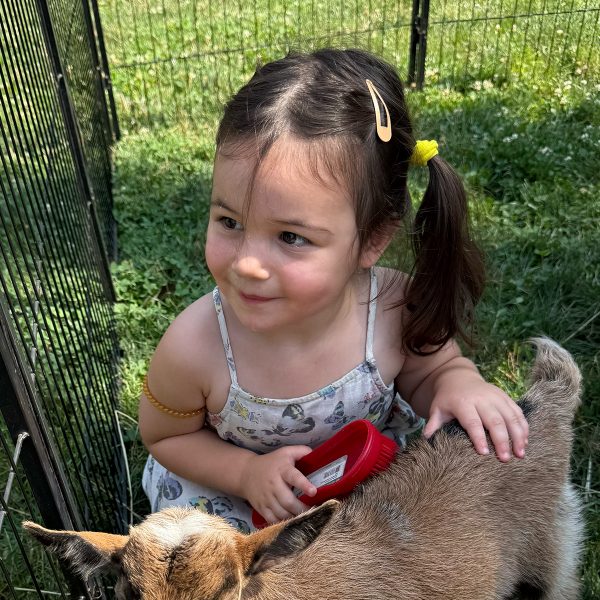


“New School Montessori gave my children confidence before high school began. With high expectations and steady support, they learned independence, planning, and follow-through. In high school, even IB-level coursework felt manageable because strong habits and a love of learning were already in place. NSM truly set them up for life.”
Bree Gillespie, New School Montessori Parent
Montessori Nurtures the Whole Child
The Montessori method comes from the research of Dr. Maria Montessori, an educator who understood that play is the young child’s work. At NSM, Montessori practice includes:
- Individualized lesson placement: Teachers observe work and present lessons in sequence, personalized to ability, interest, and pace.
- Prepared environment: Children work in ordered spaces, including a natural playground designed to mimic nature.
- Multi-age community: Older classmates model the work; younger classmates learn by watching and repeating.
- Freedom within limits: Children choose from a defined set of lessons and complete work without traditional prompting.
- Concrete academics: Language begins with sound awareness, sandpaper letters, and the movable alphabet. Mathematics begins with a concrete representation of quantity using beads.
- Whole-child development: Classroom life, including practical skills, supports independence, respect for others, and care for the environment.
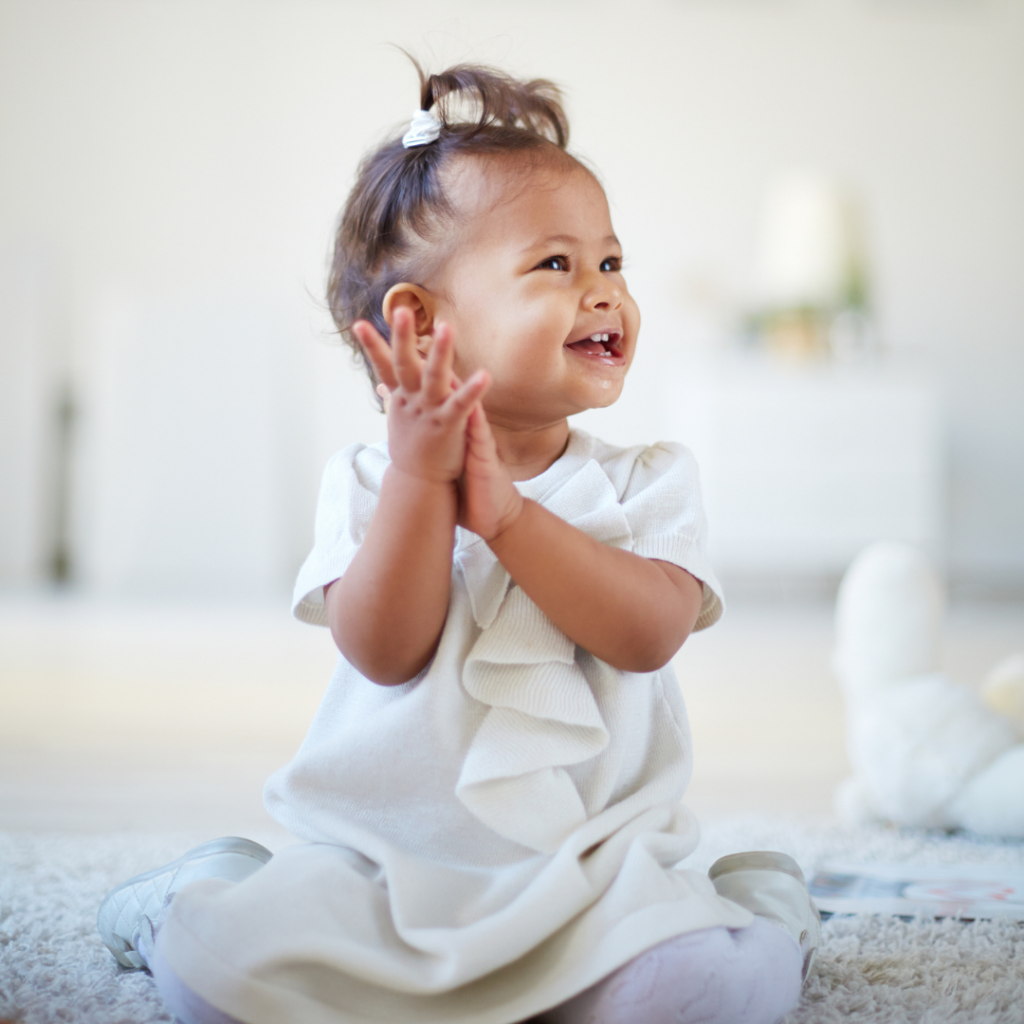

Infant
12 weeks–24 months
Infants’ daily rhythms for feeding, sleep, and movement are nurtured in a calm environment prepared for safe exploration. Montessori educators offer carefully chosen, hands-on activities that invite purposeful movement and early communication.
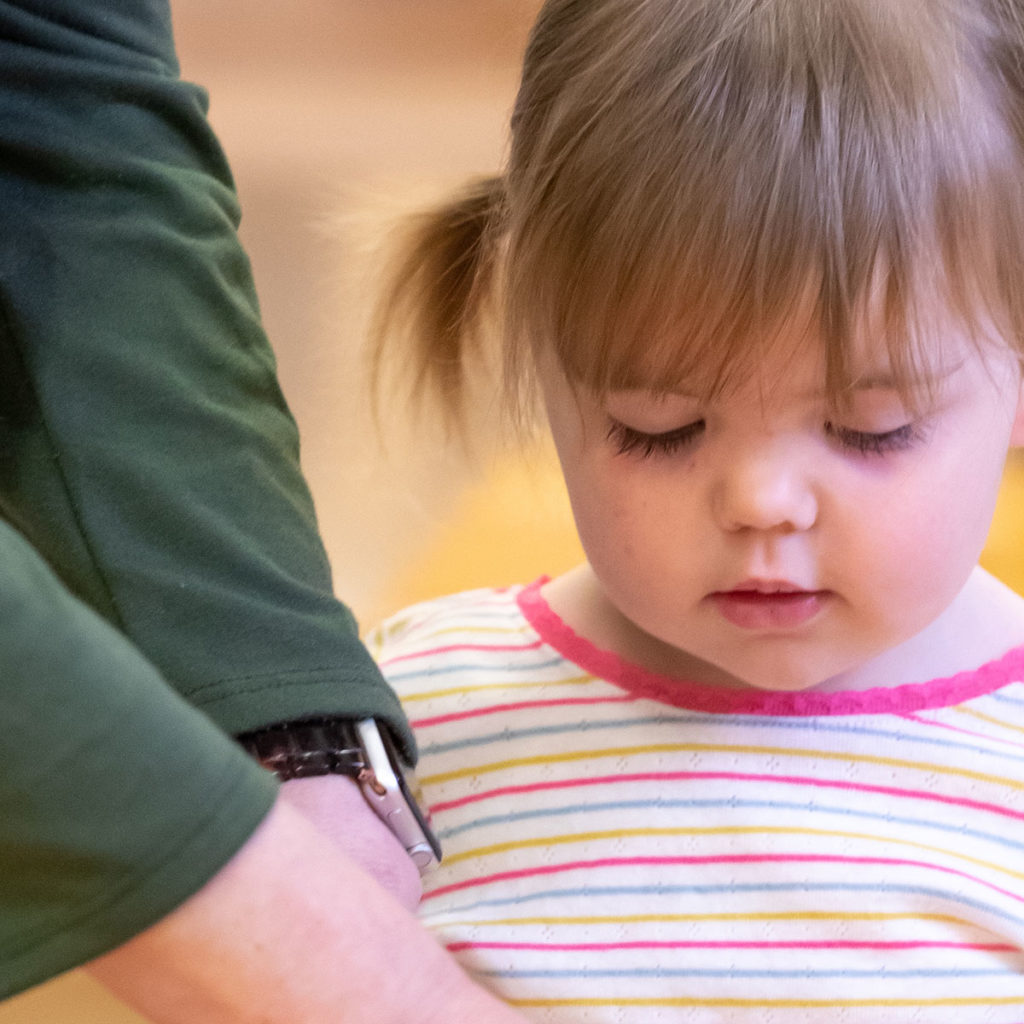
Toddler
18 months–3 years
Toddlers choose activities from child-sized shelves and practice the routines of a classroom community. Teachers use precise language for objects, tastes, and actions, while children pour, climb, carry, and cooperate with peers.
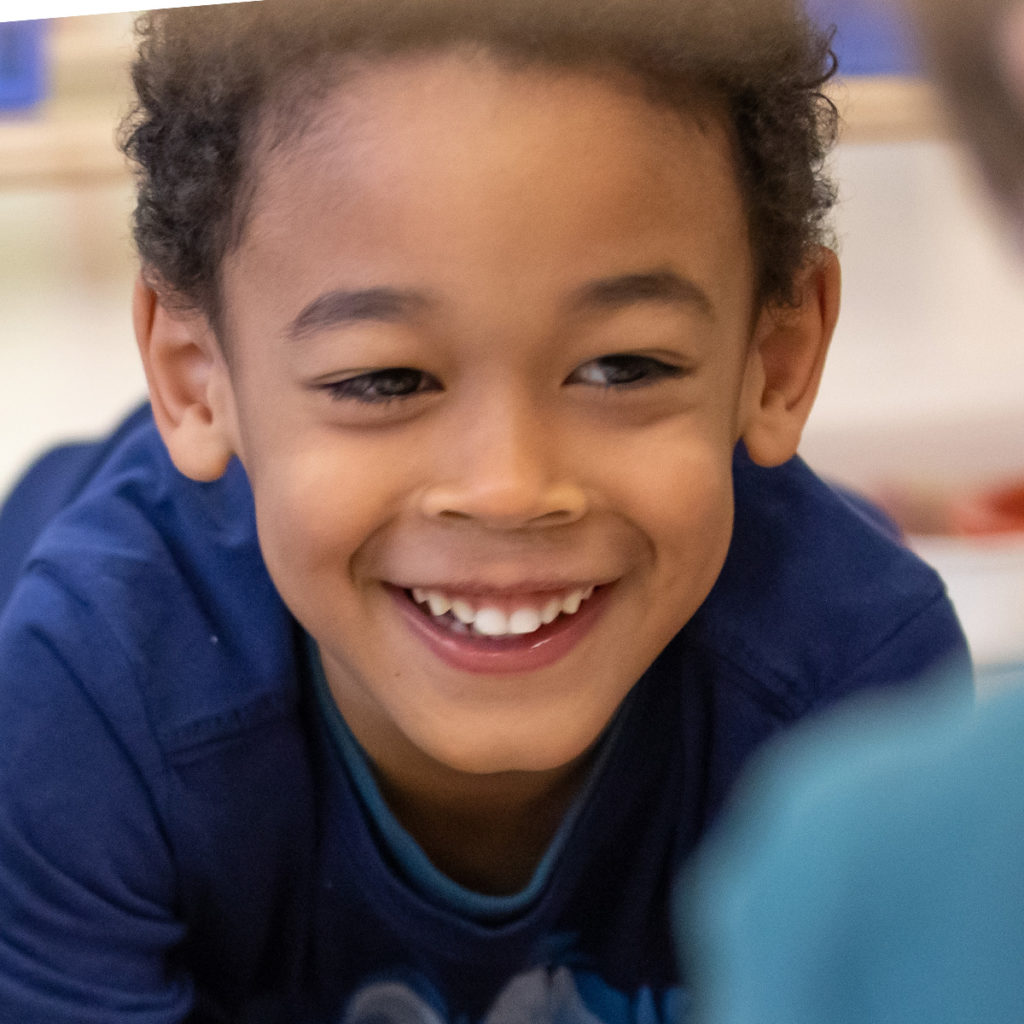
Primary
3–6 years
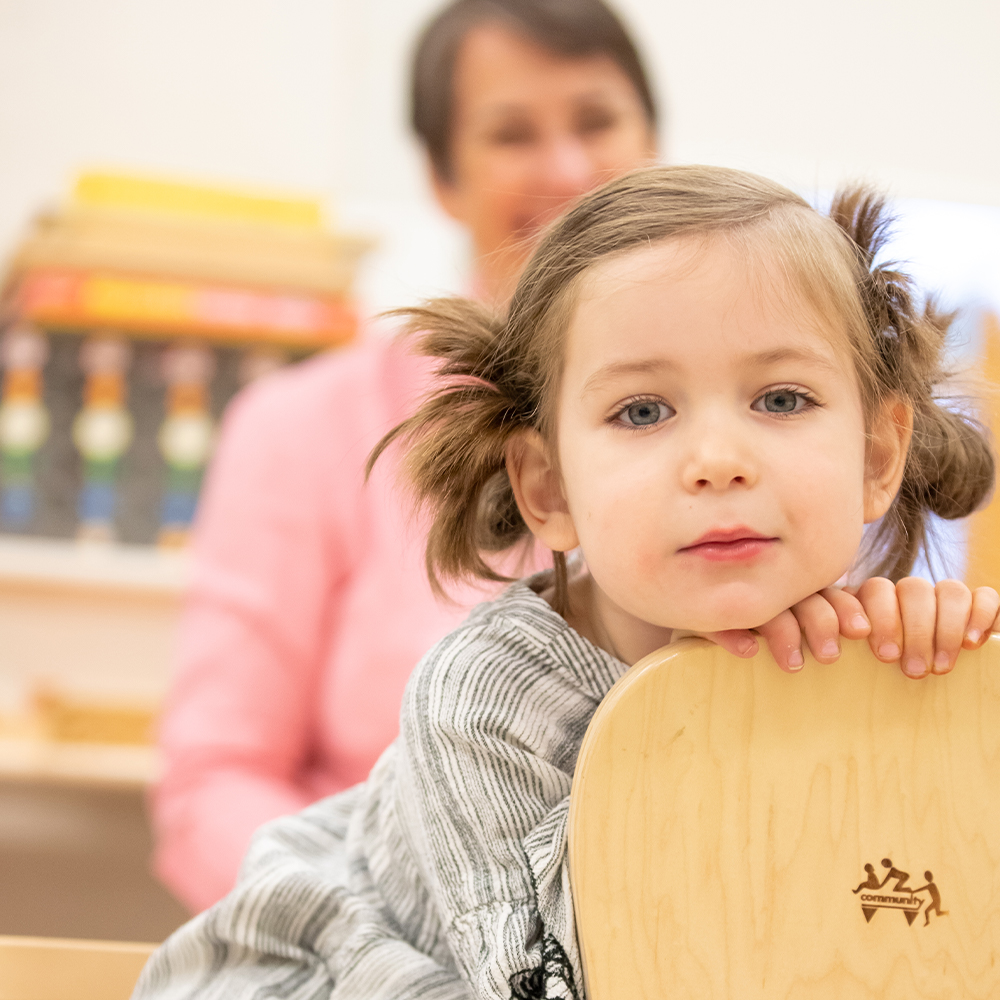
Young children work at an individual pace and practice routines that support respect and cooperation, including daily circle time and outdoor play. Language begins with the movable alphabet, while mathematics begins with Golden Beads to demonstrate place value. Cultural work introduces geography, botany, and zoology.
Early Elementary
6–9 years
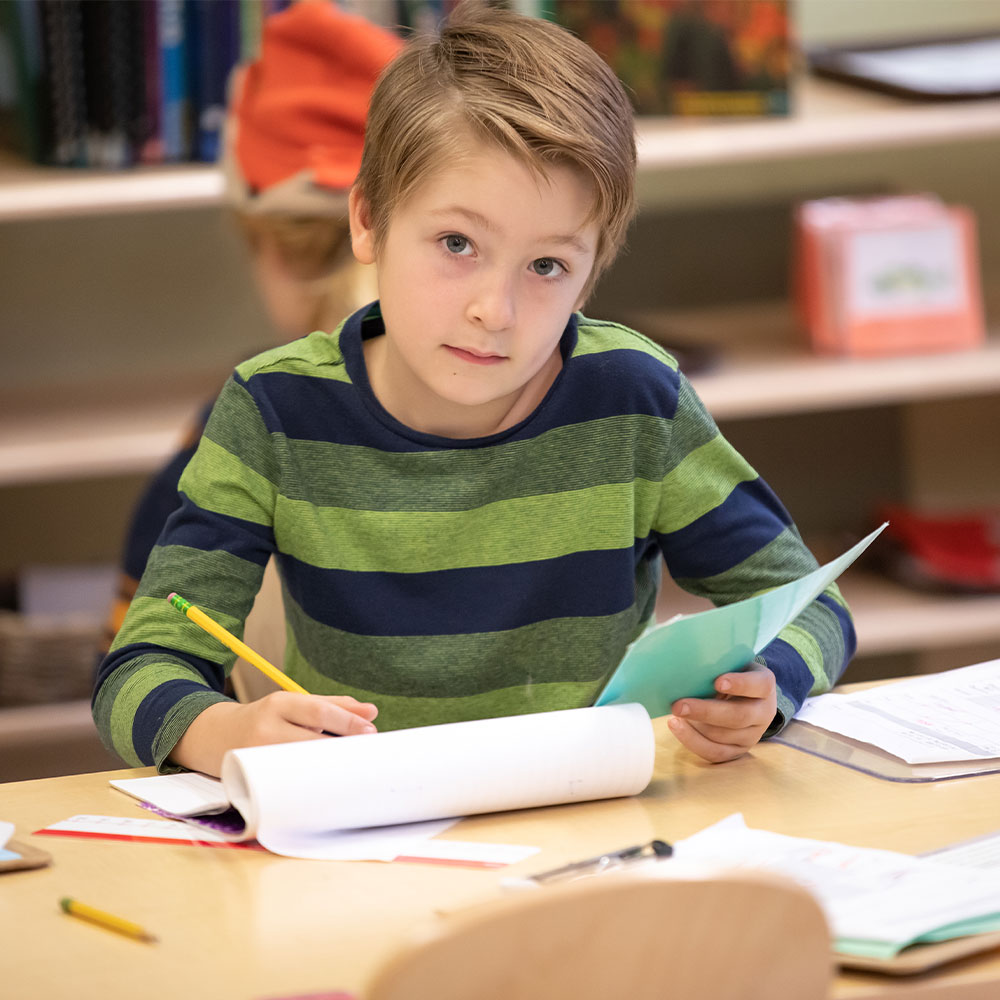
Early elementary students study connected subjects as parts of a larger design, with lessons that move from concrete experience to abstract understanding. Students read and write every day, work with beads in mathematics, and study science through research and maps.
Upper Elementary
9–12 years
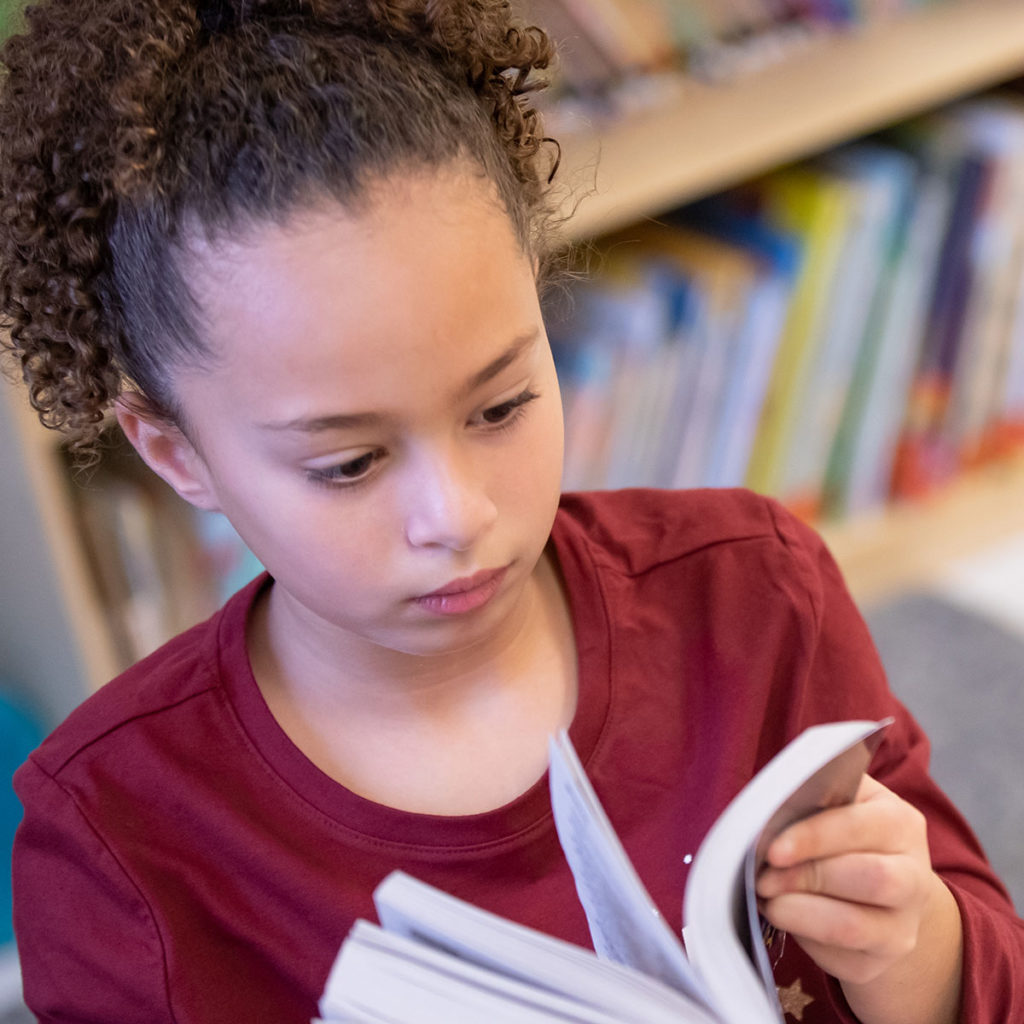
Older elementary students move into adolescence through expanded research projects and formal writing for real audiences. Class meetings include discussion and debate. Students plan work across weeks, use textbooks alongside investigations, and present oral reports rooted in the larger world.
Middle School
12–14 years
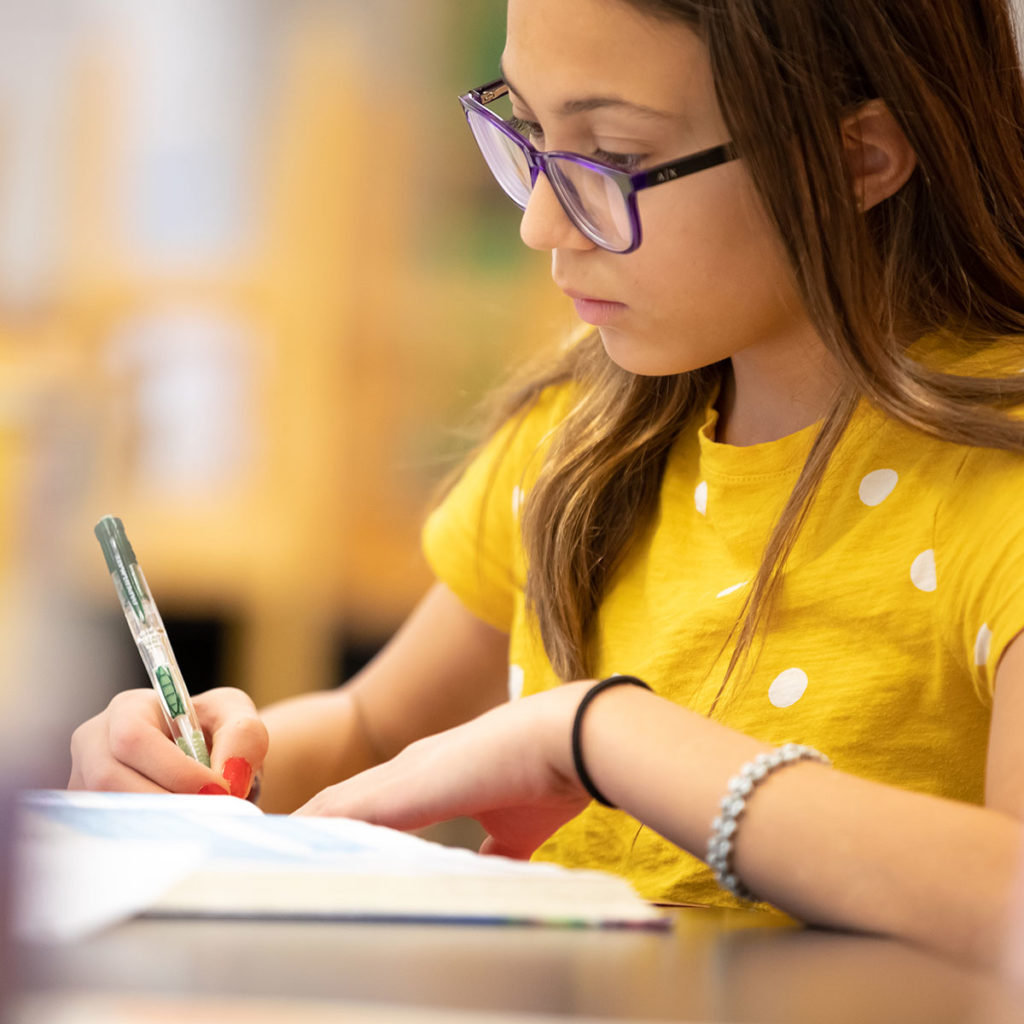
Middle School students prepare for high school through graded coursework, daily reading and research, and writing for a range of audiences. Students adopt formal study habits, practice Algebra and Geometry, and use peer discussion to further understanding. Weekly field trips extend classroom learning into the wider world.
Spanish Immersion Program
3–6 years
The Casa de Niños program integrates Spanish into the Primary classroom. Spanish is used throughout the day in stories, songs, conversation, and practical life work, led by native Spanish-speaking educators.

Specials
All ages
Art, music, physical education, and outdoor experiences give students daily expression, movement, and connection to the natural world. Students make art, sing and play instruments, develop strength and coordination in physical education, and learn through walks and garden work.